Blog
-
Drawing Triennal Wroclaw
WORLD PAIN
14.06 – 28.07.2019BWA Wroclaw Glowny


-
Soviet Mosaics
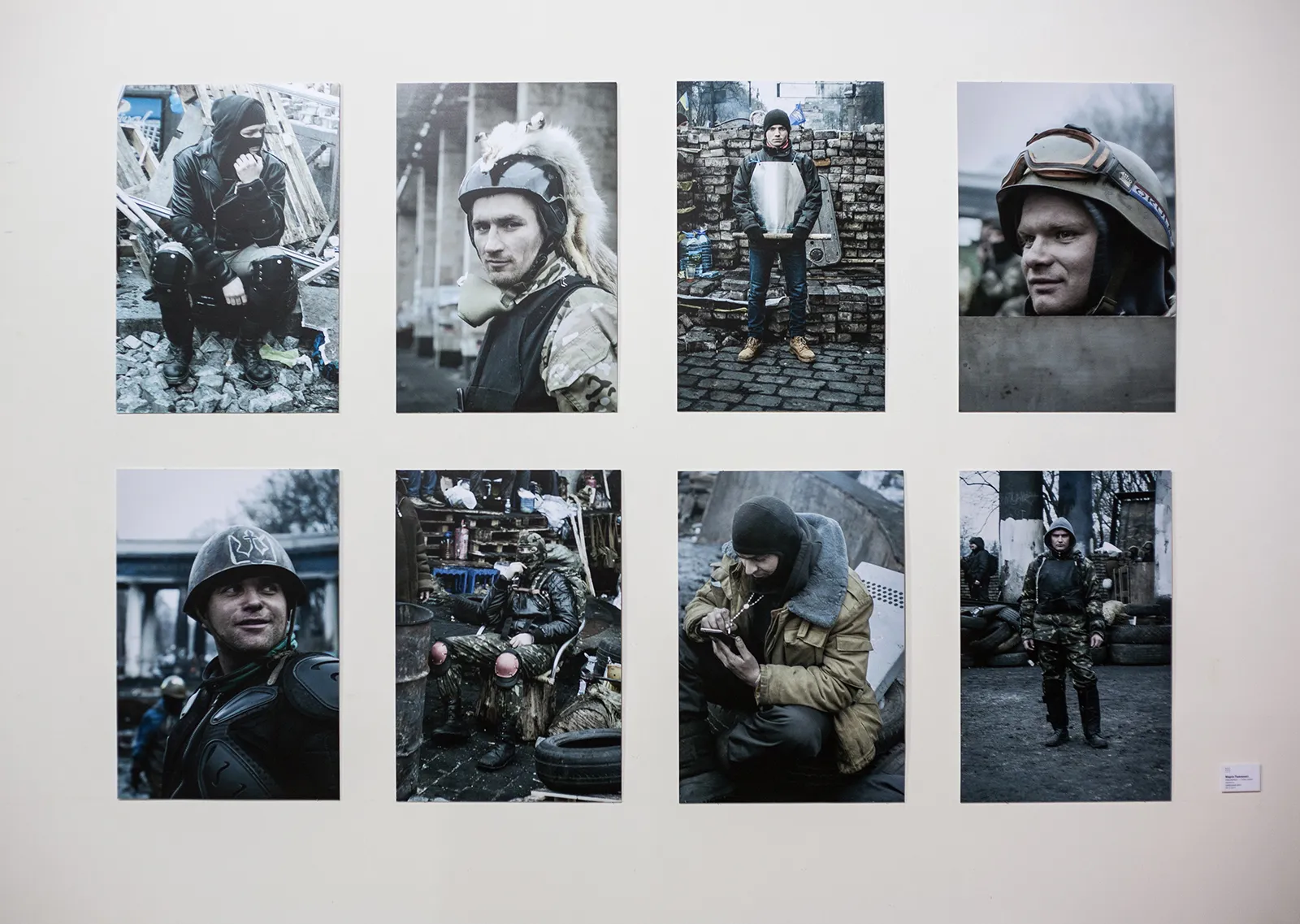
Looking at the ongoing tendency of institutionalization of Ukrainian art via images of war, poverty, oligarchs and prostitutes, homeless and marginals, far-right movements, drugs, ecological disasters, alcohol and drug addiction, I’m wondering, if the Cold War really ended up long time ago, or we, Ukrainians, experience life on stretched on 1316 kilometers front line, where East and West resolve own issues. I’m also wondering, if anybody in Ukraine is capable to look at the existing problems not exclusively from local perspective of amusement with Soviet mosaics.
-
Ukraine
If you struggle to understand Ukraine, you rather should look at it as country that before 1991 existed only as ethnic minority, but not a country. You should know that it current borders are outcome of external factors (breakdown of Soviet Union) and are drawn around territories that also include other ethnic groups, such as Poles, Russians, Jews and many other smaller ones, like Crimean Tatars. Due to outcome of again external forces some of these ethnic groups were relocated forcibly: after WWII Poles had to leave Western regions of current Ukraine; Crimean Tatars were relocated from Crimea in 1944. At the same time, after 1991 nobody relocated Russians or those, who consider themselves to be Russians. Ukrainians, having no experience of having own state, not aware that borders in Europe after WWII were established also via relocation of ethnic groups and also are outcome of extermination of Jews by Nazi (in many European and also Ukrainian cities Jews before WWII constituted significant part of the population).
-
Ivano-Frankivsk
How had changed the name of the city of Ivano-Frankivsk
1662–1772: Stanisławów
1772–1919: Stanislau
1919–1921: Stanyslawiw
1921–1939: Stanisławów
1939–1941: Stanislaw
1941–1944: Stanislau
1944–1962: Stanislaw
1962–1991: Iwano-Frankowsk
seit 1992: Iwano-Frankiwsk
also
in Jewish Stanislew סטאַניסלעװ
in Hungarian Sztanyiszló
-
Dictionary of Experience
The publication, titled “Erfahrungswörterbuch”, is a metaphorical translation of a notion “Erfahrung/Досвід”, gathered from texts from “Die Schriften zur Naturwissenschaft” of Wolfgang Goethe and from “Лексикон таємних знань” of Taras Prokhasko. “Erfahrungswörterbuch” provides opportunity to compare writings of authors, as well as their approach to the notion of experience, but also nature, memory and death. For both Goethe and Prokhasko the experience (die Erfahrung) is a starting point of thinking and investigating of the world around, however if in case of Goethe it is more scientific, rational approach that equalize experience with experiment and mathematical measurement of its results, for Prokhasko it is emotional state, sensitive journey (das Erlebnis) that he considers to be a source of genuine knowledge.
The book is printed with support of Frauenförderfonds of Bauhaus-Universität Weimar.

-
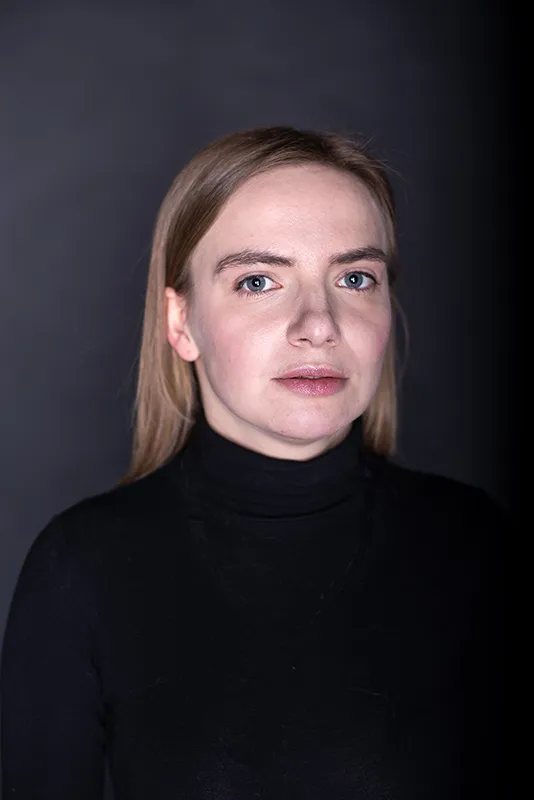
Portrait
Image – Mariya Pavlenko, Olga Shtets
Photo – Olga Shtets
Make up, hair – Nataliya Knayzheva
Kyiv, 2015
-
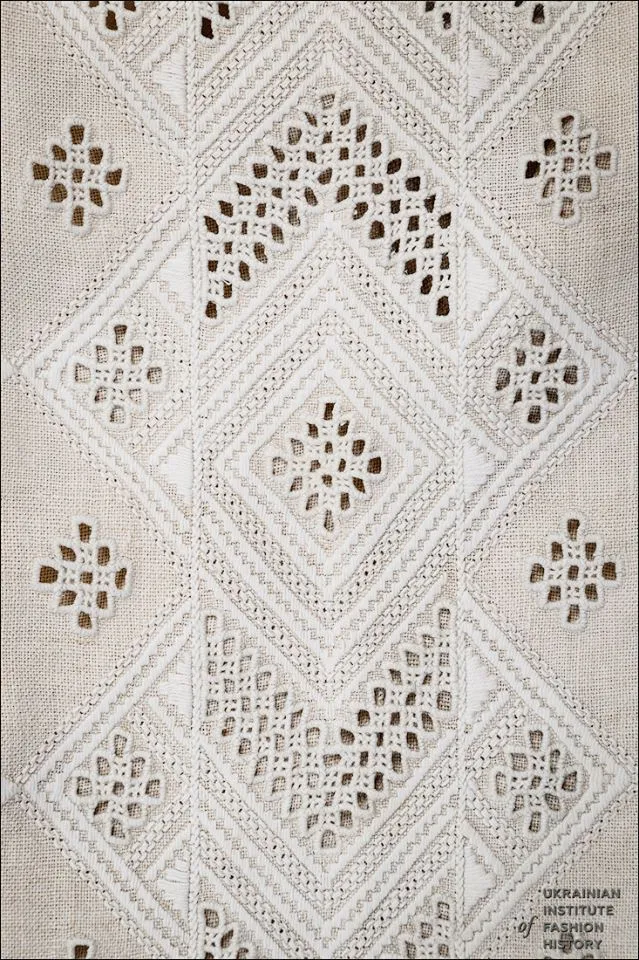
Ukrainian Embroidery
Fragments of festive shirts from different regions of Ukraine.
End of XIX – beginning of XX century.
From Ukrainian Institute of Fashion History facebook page